
Glycaemic Index

The effect of allulose on blood glucose levels
Increasingly, consumers are actively seeking products that help maintain a lower, stable blood glucose level. The glycaemic index (GI) of a food serves as a point of reference, indicating how strongly and how quickly carbohydrate-containing foods raise blood glucose levels. Persistently elevated blood glucose levels can pose a significant health risk. According to the carbohydrate guidelines of the German Nutrition Society, it can increase the risk of obesity, type 2 diabetes mellitus, coronary heart disease and colorectal cancer.[1] Evaluation of the EPIC study further showed that a high-glycaemic diet promotes abdominal obesity.[2] In addition, inflammatory processes in the body increase[3]], and the risk of cardiovascular disease[4] and stroke[5] rises. A low-glycaemic diet is therefore recommended.
Allulose is a novel food that has a minimal impact on blood glucose levels. Since allulose can be used like ordinary sugar, it is well-suited to produce reduced-sugar and low-glycemic foods.
Glucose vs. allulose in metabolism
Carbohydrates are composed of one or more monosaccharide units such as glucose, fructose, or galactose, which are broken down during digestion by enzymes. With the help of the hormone insulin, which is released by the pancreas, glucose enters the cells, where it serves as an energy source. Insulin functions like a key that unlocks the cells to allow glucose in.
Allulose, in contrast, cannot be used by the body as an energy source, as there are no suitable enzymes for it in metabolism. After consumption, allulose is mainly absorbed in the small intestine, with only a small fraction metabolized by gut bacteria. It is primarily excreted unchanged in the urine and feces. It is therefore not available to the body as an energy source. Allulose does not participate in gluconeogenesis or glycogen breakdown and therefore has no effect on blood glucose.
Blood glucose management with the glycaemic index
The glycemic index (GI) indicates how rapidly 50 g of carbohydrates from a food raise blood glucose levels within two hours after eating. Glucose is the reference (GI = 100), and all other carbohydrates are compared against it.
The concept originated in diabetes research in the 1980s and is designed to help individuals select suitable foods to prevent blood glucose spikes. The glycaemic index is therefore particularly relevant for people with diabetes, who need to control their blood glucose levels, as well as for those who are overweight, since carbohydrates with a low glycaemic index can prolong the feeling of satiety. Additionally, it is relevant for athletes who want to optimise their energy supply.
When blood glucose goes on a rollercoaster
Foods that contain many short-chain or “simple” carbohydrates cause blood glucose to rise rapidly – they therefore have a high glycaemic index. The digestive system can extract glucose from them within a very short time and with little effort. The best-known source of fast carbohydrates is sucrose, also known as table sugar.
The rapid, substantial rise in blood glucose (hyperglycaemia) is followed, due to the equally intense stimulation of insulin secretion, by a rapid drop in blood glucose, often even below the starting value (hypoglycaemia). This “rollercoaster ride” causes an energy low, releases stress hormones and can trigger cravings.
[6]
In contrast, low-glycemic carbohydrates raise blood glucose levels more slowly and continuously, resulting in a more even energy supply and reduced insulin release.
Beyond carbohydrates: how the body regulates blood glucose and insulin
Not only carbohydrates can raise blood glucose levels. The body can also maintain glucose levels in the absence of dietary carbohydrates by first breaking down glycogen stores in the liver (glycogenolysis). Once these reserves are depleted, glucose is produced from amino acids and glycerol through a process called gluconeogenesis. Therefore, blood glucose can remain stable — or rise slightly — even after a carbohydrate-free meal.
The Insulin Index (II) measures how much a food increases insulin levels in the blood, reflecting the body’s insulin response rather than the rise in blood glucose.
Protein- and fat-rich foods increase insulin levels because amino acids directly stimulate pancreatic β-cells and enhance incretin hormones such as GLP-1 and GIP, which in turn regulate insulin secretion.
Allulose – tastes like sugar, but acts differently
Since allulose is only slightly metabolised by human metabolism and the microbiome, it has a minimal impact on blood glucose and insulin secretion. It passes through the liver essentially unchanged and enters circulation, where it is excreted via the kidneys.
A clinical study found that the glycaemic index of allulose is 1 and the insulin index is 1.5, indicating that it has a minimal glycaemic effect.[7] Allulose is therefore considered an extremely low-glycaemic carbohydrate, combining the positive properties of sugar without triggering spikes in blood glucose and insulin.
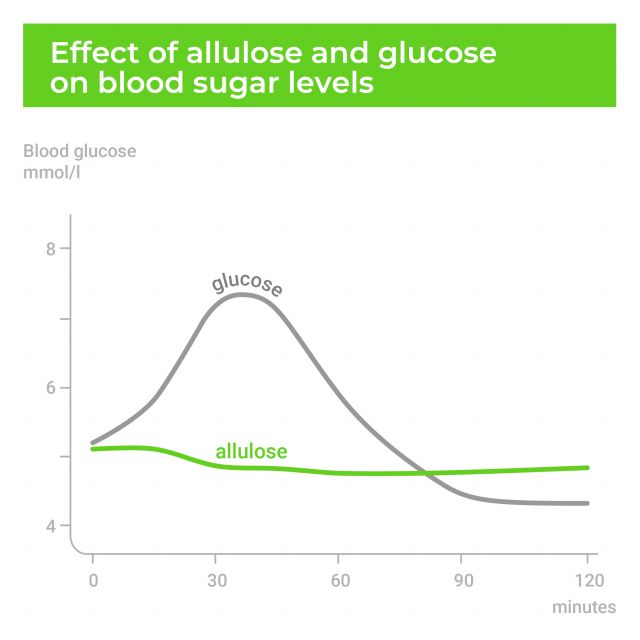
Figure 1: Effect of allulose and glucose on blood glucose levels
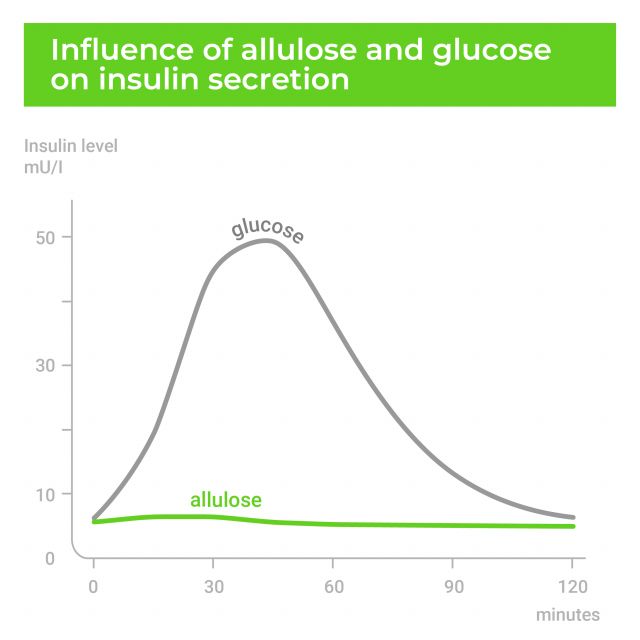
Figure 2: Effect of allulose and glucose on insulin secretion
A recent double-blind study from 2023 also demonstrates that allulose has a minimal effect on blood glucose and insulin levels. [8] Researchers examined the immediate glucose and insulin responses of healthy subjects after consuming a sweetened drink containing either allulose, sucrose, or a combination of both.
The study, published in the Journal of Functional Foods, also concluded that combining allulose with sucrose can help attenuate the peak rise in blood glucose and insulin levels. The addition of allulose to sucrose resulted in a lower postprandial blood glucose level and lower insulin secretion compared to consuming sucrose alone.
Moreover allulose offers advantages not only from a nutritional standpoint, but also in combination with conventional sugar. In terms of sensory properties, the simultaneous use of allulose and sucrose also works well, as demonstrated by a study by Wee et al.[9] When allulose is mixed with sucrose in a 1:1 ratio to replace table sugar partially, the mixture exhibits very similar sweetening properties to sucrose, allowing for a significant reduction in total calorie content.
More balance: allulose dampens the glycaemic effect of conventional sugars
The fact that traditional sugars are metabolised more slowly when consumed together with allulose makes this functional carbohydrate particularly interesting for food production and potential reformulations.
A 2008 Japanese study demonstrated this effect using maltodextrin: with a dose of at least 5 grams of allulose in a test drink containing 75 grams of maltodextrin, the rise in blood glucose and insulin concentrations was significantly suppressed.[10]
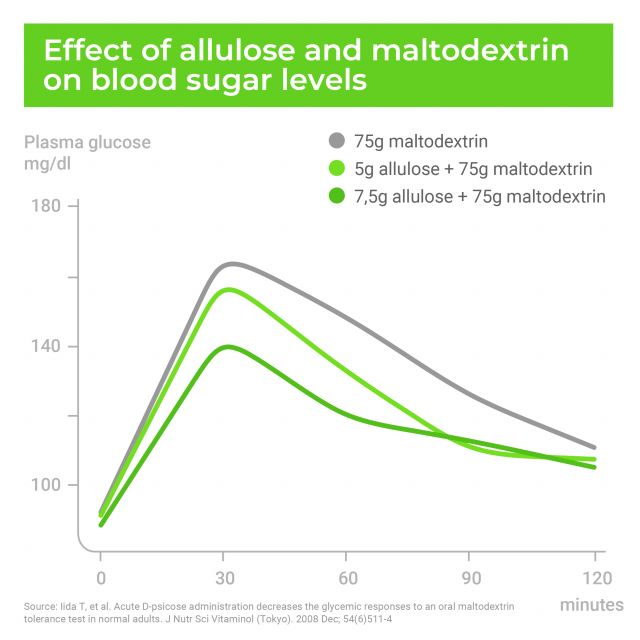
Figure 3: Effect of allulose and maltodextrin on blood glucose levels
The research team of Franchi et al. demonstrated a dose-dependent dampening effect of allulose on sucrose uptake in 2021.[11] The study showed that when allulose was administered together with sucrose, blood glucose levels decreased after 30 minutes. The functional carbohydrate also had a similarly positive effect on insulin levels. According to the researchers, as little as 5–10 grams of allulose is sufficient to reduce the blood glucose rise after consuming 50 grams of sucrose.
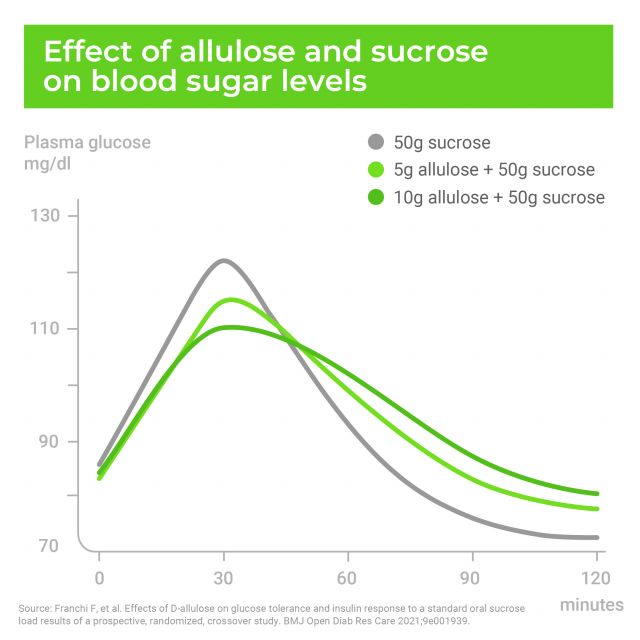
Figure 4: Effect of allulose and sucrose on blood glucose levels
Authors of a more recent Asian study from 2024 took it a step further and found that the more allulose is added to a test drink containing sucrose, the less pronounced the glucose and insulin responses.[12] Besides sucrose, fructose is another common sugar used in food processing. A 2018 Canadian study compared the blood glucose rise after consuming glucose and fructose with that after consuming glucose and allulose.[13] Again, a dose-dependent dampening effect of allulose was observed. Although the researchers could not establish significance due to the very different individual blood glucose values, the observed result was comparable to earlier studies.
Overall, research shows that due to its properties, allulose has a positive effect on sugar metabolism. It has a minimal impact on blood glucose and insulin secretion. In addition, it reduces the postprandial glycaemic effect of conventional sugars such as sucrose, fructose and maltodextrin. In this way, metabolism and healthy nutrition can be supported.
The functional carbohydrate is therefore ideally suited for the production of low-glycemic foods and offers significant market potential for manufacturers of beverages, baked goods, confectionery, ice cream, jams, as well as sauces and dressings.
Sources
[1] Deutsche Gesellschaft für Ernährung e. V., Evidenzbasierte Leitlinie: Kohlenhydratzufuhr und Prävention ausgewählter ernährungsmitbedingter Krankheiten. Bonn (2011) URL: www.dge.de/leitlinie
[2] Romaguera D, Ängquist L, Du H, Jakobsen MU, Forouhi NG, Halkjær J, et al. (2010) Dietary Determinants of Changes in Waist Circumference Adjusted for Body Mass Index – a Proxy Measure of Visceral Adiposity. PLoS ONE 5(7): e11588.
[3] Buyken AE, Flood V, Empson M, Rochtchina E, Barclay AW, Brand-Miller J, Mitchell P. Carbohydrate nutrition and inflammatory disease mortality in older adults. Am J Clin Nutr. 2010 Sep;92(3):634-43.
[4] Jenkins DJA, et al.: Glycemic Index, Glycemic Load, and Cardiovascular Disease and Mortality. N Engl J Med. 2021 Apr 8;384(14):1312-1322.
[5] Lee M, Saver JL, Hong KS, Song S, Chang KH, Ovbiagele B. Effect of pre-diabetes on future risk of stroke: meta-analysis. BMJ. 2012 Jun 7;344:e3564.
[6] Page KA, et al.: Circulating glucose levels modulate neural control of desire for high-calorie foods in humans. J Clin Invest. 2011 Oct;121(10):4161-9.
[7] Savanna Ingredients GmbH, unternehmenseigene Daten, 2020.
[8] Au-Yeung F, et al. (2023): Comparison of postprandial glycemic and insulinemic response of allulose when consumed alone or when added to sucrose: A randomized controlled trial. Journal of Functional Foods. 105. 105569.
[9] Wee M, Tan V, Forde C. A Comparison of Psychophysical Dose-Response Behaviour across 16 Sweeteners. Nutrients. 2018 Nov 2;10(11):1632. doi: 10.3390/nu10111632.
[10] Iida T, et al.: Acute D-psicose administration decreases the glycemic responses to an oral maltodextrin tolerance test in normal adults. J Nutr Sci Vitaminol (Tokyo). 2008 Dec;54(6):511-4.
[11] Franchi F, et al.: Effects of D-allulose on glucose tolerance and insulin response to a standard oral sucrose load: results of a prospective, randomized, crossover study. BMJ Open Diab Res Care 2021;9:e001939.
[12] Buranapin S, et al.: Effects of D-Allulose with Sucrose Beverage on Glucose Tolerance and Insulin Levels among Thai Healthy Volunteers. J Nutr Sci Vitaminol (Tokyo). 2024;70(3):203-209.
[13] Braunstein CR, et al.: A Double-Blind, Randomized Controlled, Acute Feeding Equivalence Trial of Small, Catalytic Doses of Fructose and Allulose on Postprandial Blood Glucose Metabolism in Healthy Participants: The Fructose and Allulose Catalytic Effects (FACE) Trial. Nutrients. 2018 Jun 9;10(6):750.